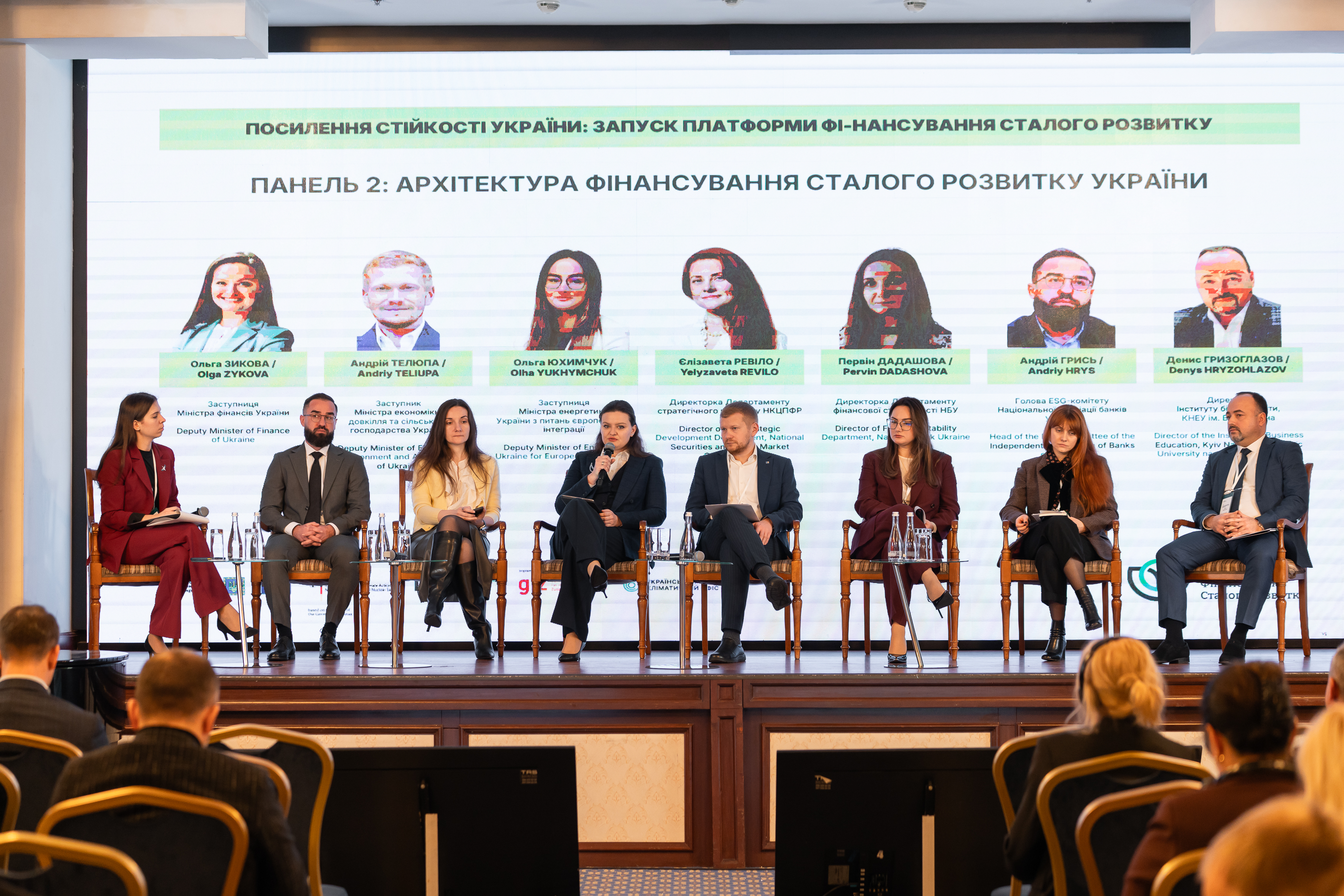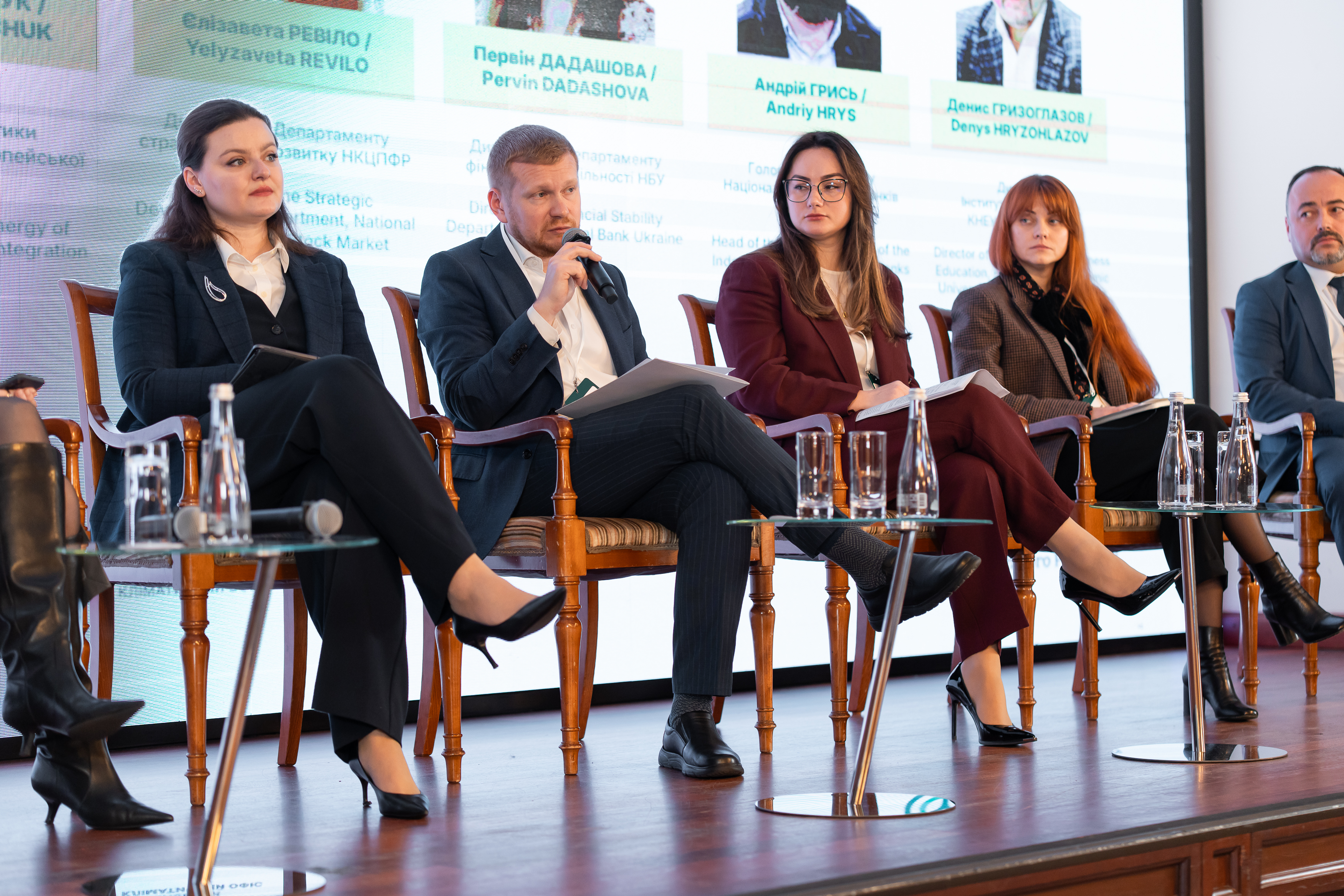
Deputy Minister of Energy of Ukraine Olga Yukhymchuk took part in the forum “Strengthening Ukraine's Resilience: Launch of the Sustainable Development Financing Platform,” organized with the support of the Potential for Climate Action (C4CA) project, implemented by the German Society for International Cooperation (GIZ) within the International Climate Initiative.
Olga Yukhymchuk emphasized that sustainable energy development is one of the key components for achieving the Sustainable Development Goals and strengthening energy security under the conditions of martial law.
She noted that the Ministry of Energy coordinates the implementation of Sustainable Development Goal 7 – “Affordable and Clean Energy”: "This is a strategic goal that defines our modernization trajectory, the quality of life of citizens, and the competitiveness of the economy. Achieving SDG 7 is not merely a statistical indicator. It means modern power grids, reduced losses, affordable electricity for households and businesses, the development of renewable energy sources, integration into the European market, and the resilience of the energy system amid wartime challenges."
She highlighted that the main mechanisms currently available for financing progress toward this Goal include international technical assistance, bilateral and multilateral partnerships, and the attraction of private investment-particularly through green financial instruments, institutional platforms such as the Ukraine Energy Support Fund (UESF) and the Decarbonization Fund, as well as new risk-mitigation tools for investors.
At the same time, the Ministry of Energy supports the creation of new financial instruments for sustainable development that could complement or be integrated into existing mechanisms.
"Sustainable financing mechanisms are the foundation of Ukraine’s energy transformation. They allow us to align national priorities with European standards and open access to investment opportunities that were previously unavailable," emphasized Olga Yukhimchuk.
The Deputy Minister stressed that European integration in the energy sector involves not only technical or regulatory alignment, but also a shift in investment philosophy: from short-term decisions to long-term strategies; from reacting to challenges to anticipating them; from dependency to sustainability.
"Today, we are not merely discussing the financing of recovery. We are discussing the financing of development-development that will lead us to a new energy system that is integrated into the European market, competitive, and environmentally sustainable," she concluded.