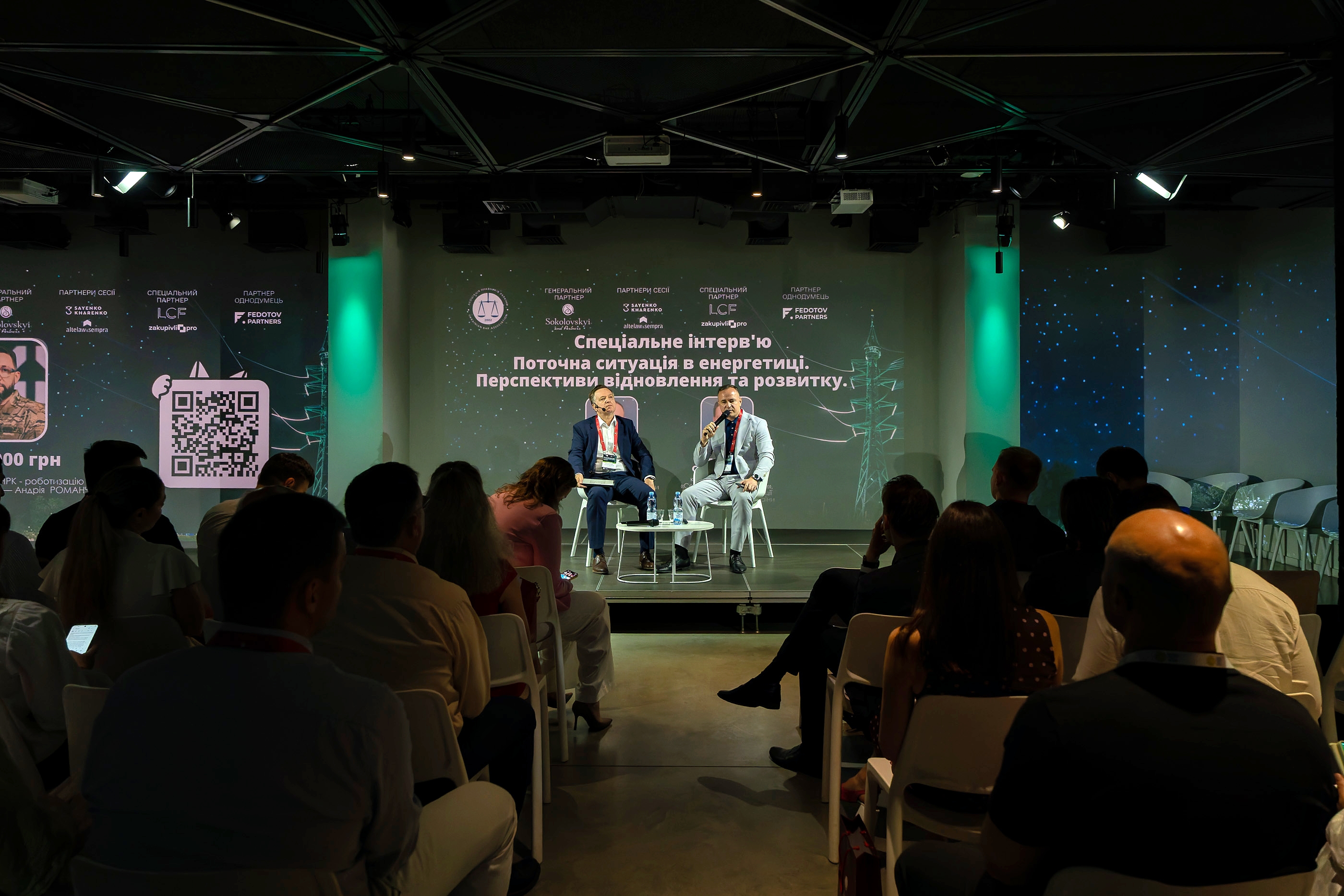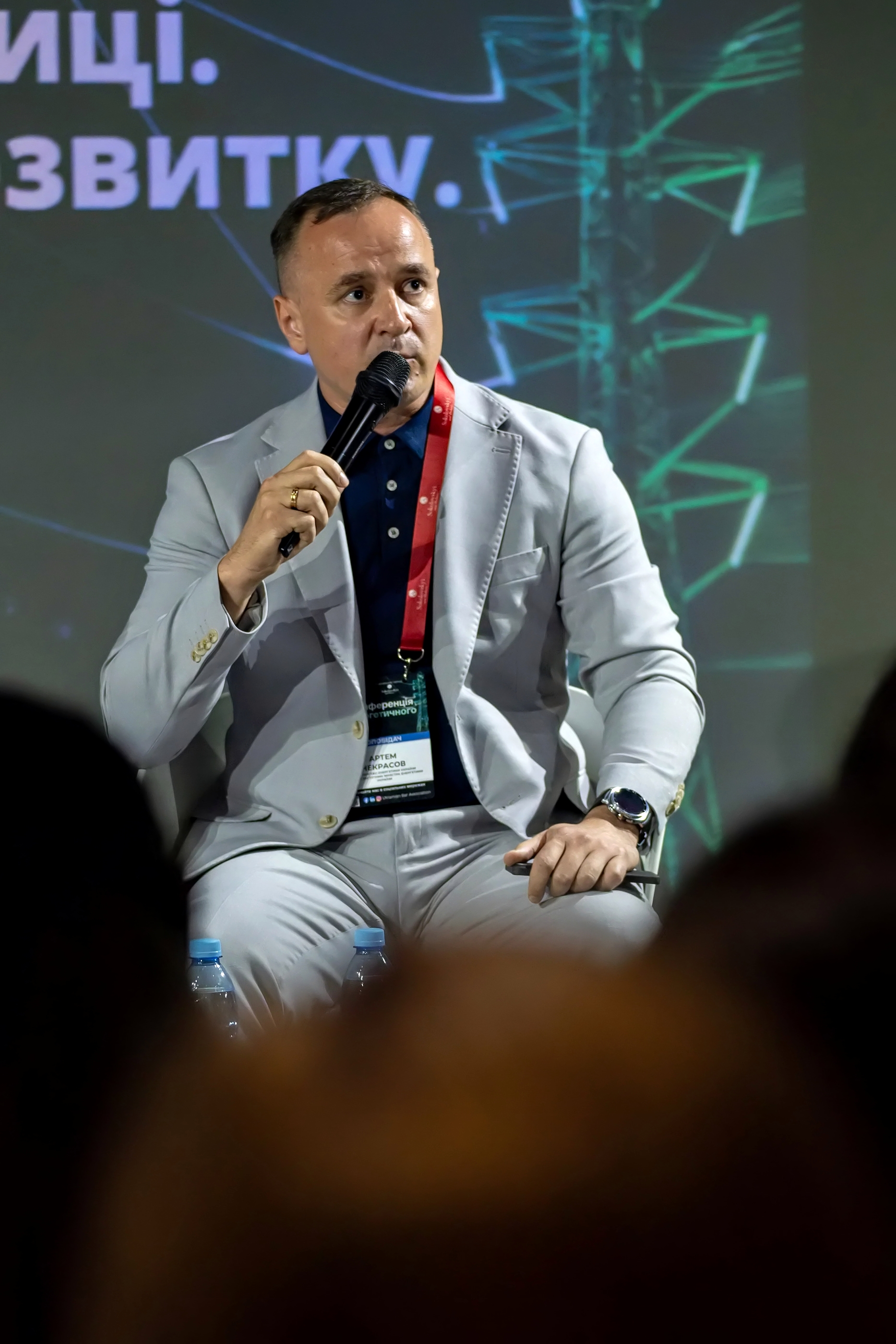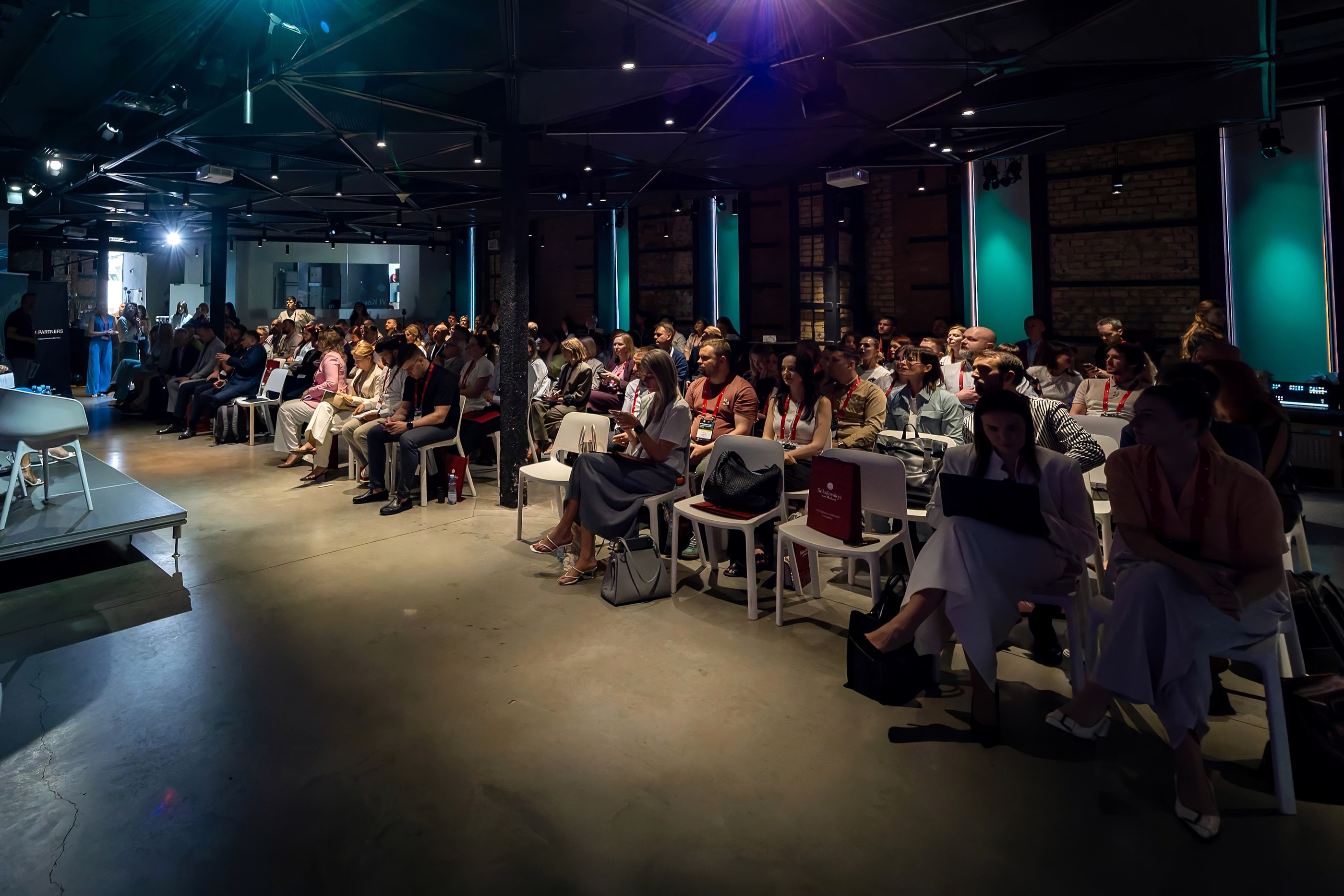
First Deputy Minister of Energy of Ukraine Artem Nekrasov addressed the 6th Energy Law Conference, outlining the country’s preparations for the 2026/2027 heating season, the development of flexible generation projects, regulatory and legislative simplifications, and state investment support instruments for the energy sector.
The First Deputy Minister noted that the new competition for the construction of flexible generation facilities is primarily focused on energy-deficit regions, namely northern, eastern and southern Ukraine, as well as the Kyiv region. The competition conditions were refined following consultations with businesses and investors. In particular, the financial guarantee required for participation has been reduced, and a mechanism has been introduced to compensate investors for the difference between the auction price and actual market prices during peak demand periods.
Artem Nekrasov also announced that auctions for allocating support quotas for electricity generation from renewable energy sources (RES) under the updated feed-in premium model will be held this autumn. According to him, the revised legislation significantly changes the regulatory framework for the renewable energy market, introduces new approaches to state support for RES, stimulates the deployment of energy storage systems, and strengthens project development requirements.
One of the key changes is the extension of the green auction mechanism until 31 December 2034.
According to Artem Nekrasov, this extension is of critical importance for the market, as the preparation and implementation of large-scale renewable energy projects in Ukraine takes several years, and the absence of a long-term support framework had effectively constrained access to project financing.
Participants also discussed the results of implementing wartime regulatory simplifications in the energy sector. These include flexible grid connection arrangements, cable pooling, capacity reservation mechanisms for renewable energy facilities, and other measures aimed at accelerating project implementation.
“Many of the reforms currently being implemented in the energy sector have been developed through close dialogue with businesses, industry associations and the legal community. This cooperation enables us to create solutions that meet the real needs of the market and accelerate the deployment of new generation capacity,” Artem Nekrasov said.
He also emphasized the importance of international support for Ukraine’s energy sector. Among the key support mechanisms are the Ukraine Energy Support Fund, the supply of critical equipment, and partnership programmes aimed at assisting regions and enterprises affected by Russian attacks.
In conclusion, Artem Nekrasov outlined the Ministry’s immediate priorities: ensuring a successful heating season, building strategic reserves of equipment and natural gas, and protecting and supporting energy workers operating in frontline regions.
“Our key priorities include preparing for the upcoming heating season, completing repair works and restoring damaged facilities. At the same time, we must develop alternatives to large-scale generation by expanding local generation capacity, particularly gas-fired and renewable energy sources, capable of supplying electricity to critical infrastructure across the regions,” Artem Nekrasov said.