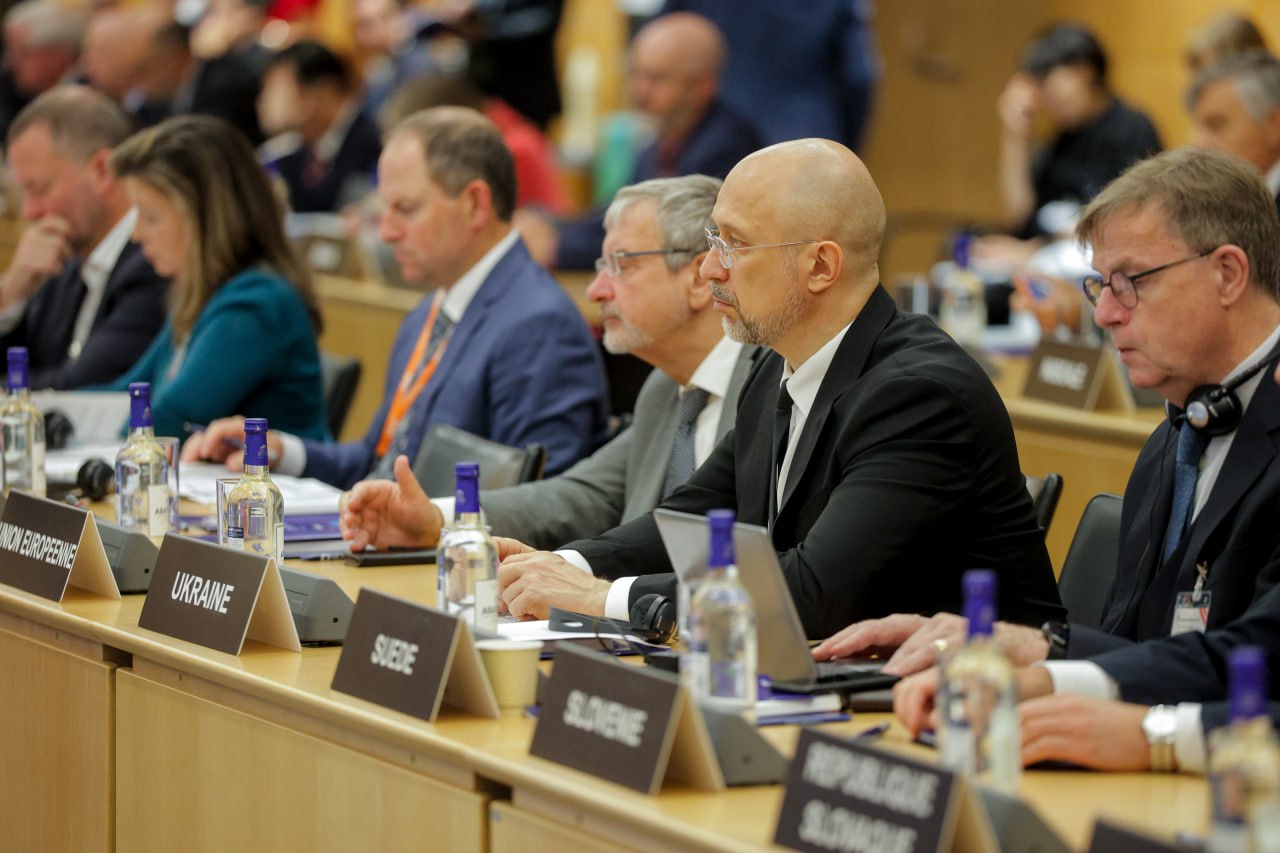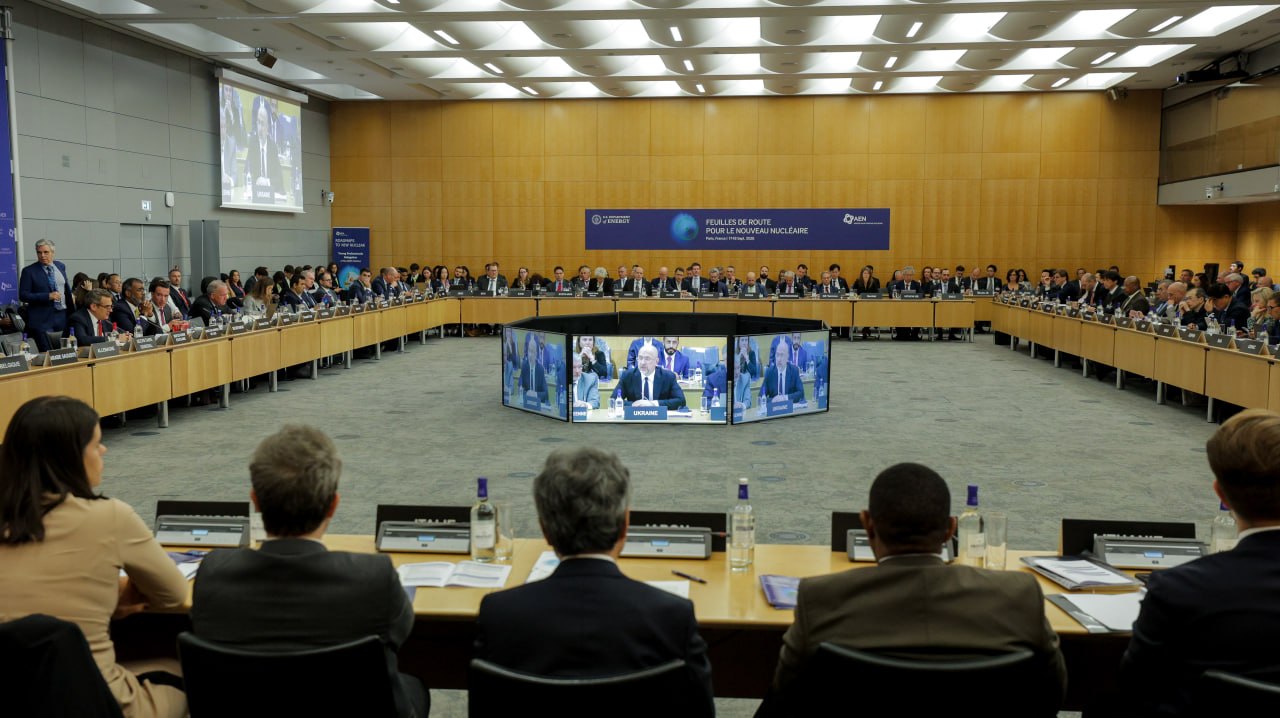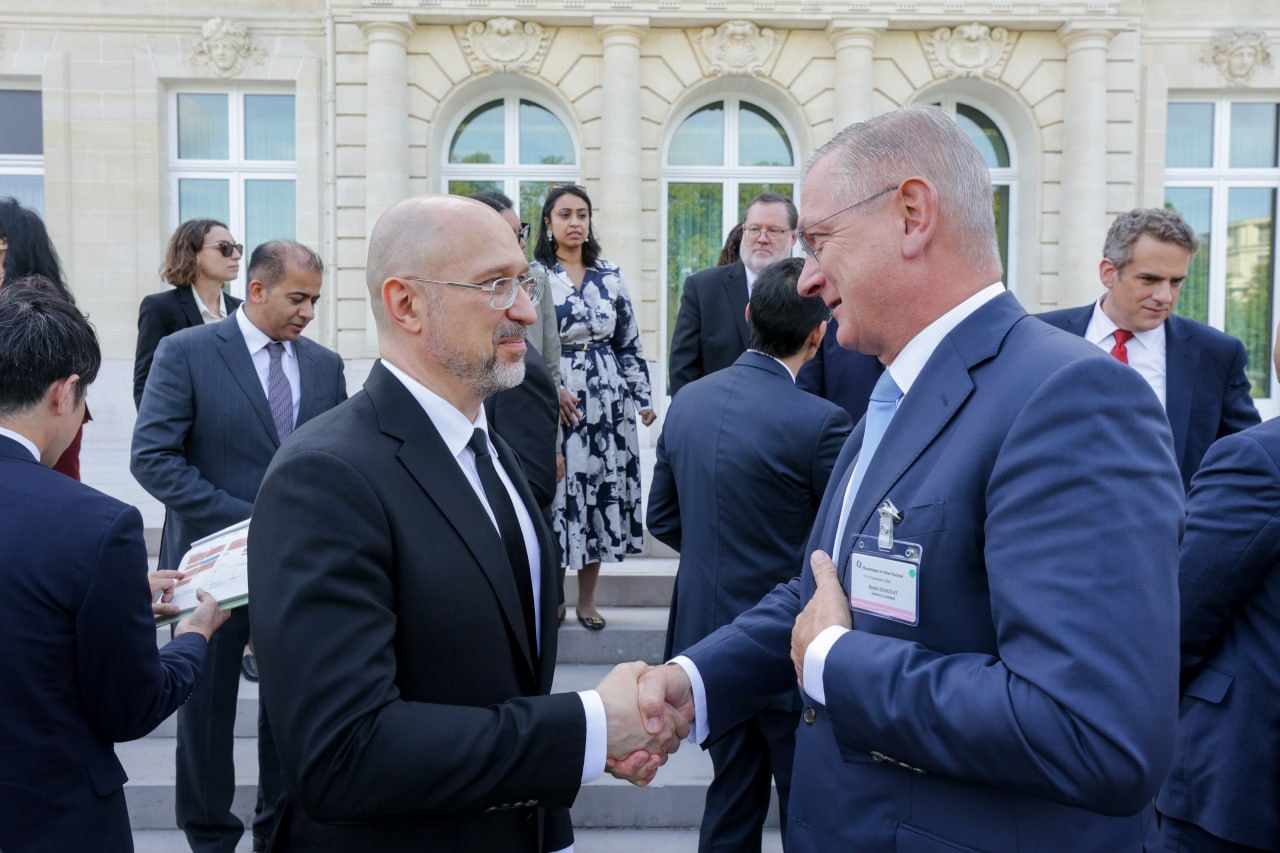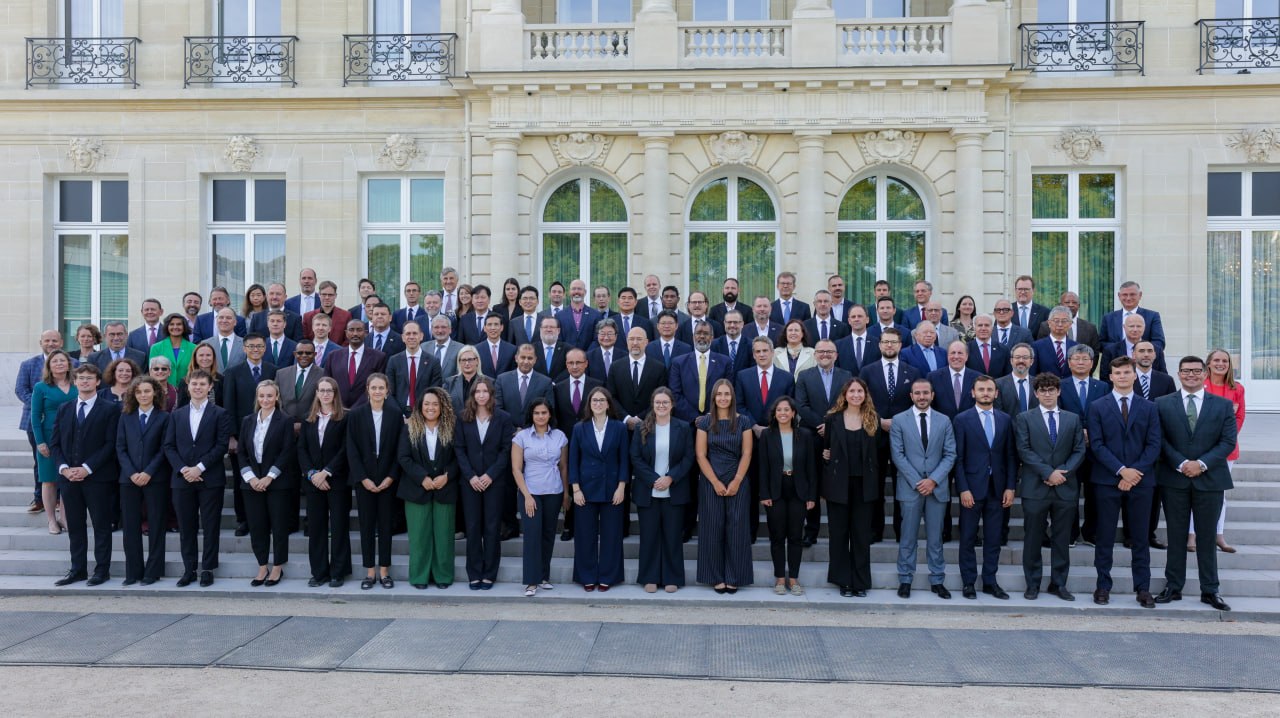
Ukraine is applying for membership in the Nuclear Energy Agency of the Organisation for Economic Co-operation and Development (OECD). First Deputy Prime Minister of Ukraine – Minister of Energy Denys Shmyhal announced this during the Ministerial Conference “Roadmaps to New Nuclear 2026”, taking place in Paris.
“We count on the support of the Agency’s member countries on this path and are ready to contribute our experience and expertise,” the Minister of Energy noted. According to Denys Shmyhal, Ukraine’s accession to the Agency will be one of the steps towards full-fledged membership in the OECD.
The First Deputy Prime Minister – Minister of Energy emphasized that, after more than four years of full-scale war, Ukraine’s nuclear energy sector has gained unique experience that may be valuable to other countries.
In particular, Denys Shmyhal stressed the need to take security challenges into account already at the design stage of nuclear facilities. A reactor is only as safe as the infrastructure around it. Therefore, engineered shelters for critical systems, multi-level redundancy of power supply and the ability to operate in an “energy island” mode should be incorporated at the design stage.
The Minister of Energy also emphasized that Ukraine’s experience demonstrates the technical feasibility of phasing out Russian nuclear fuel. Ukraine was the first to load alternative Westinghouse fuel into VVER-1000 and VVER-440 reactors using an advanced fuel design. Ukraine has also launched domestic production of components for Westinghouse fuel assemblies for VVER-1000 reactors. The next strategic step is to establish nuclear fuel assembly capabilities in Ukraine.
Denys Shmyhal also stressed the importance of resilient and secure supply chains in the nuclear energy sector. He highlighted the long-term partnership with Cameco in uranium supplies and cooperation with Urenco on uranium enrichment. At the same time, Ukraine aims to cover at least 30% of the needs of its VVER reactor fleet through domestic production and localise up to 100% of the demand for fuel assemblies for VVER-1000 reactors.
In addition, the First Deputy Prime Minister – Minister of Energy emphasized the importance of a viable financial model and long-term investment. According to him, implementing nuclear projects requires a combination of technologies, financing, industrial cooperation and long-term partnerships. He also noted that Ukraine plans to increase the capacity of its interconnectors with Europe from 2.4 GW to 4.5 GW, creating additional opportunities for electricity exports.
The Minister of Energy paid particular attention to training specialists for the future development of nuclear energy. The expansion of nuclear capacity will require a new generation of engineers and designers, construction and installation specialists, operators, researchers and regulators. Therefore, education, training, research and professional exchange should become one of the priorities of international nuclear cooperation.
“Ukraine has unique experience in ensuring nuclear and radiation safety amid a full-scale war. This is something that can help protect Europe and the world and shield them from many threats,” Denys Shmyhal added.